
When Should Someone With Dementia Move Into a Care Home?

Dementia is a progressive condition that gradually impairs memory, thinking and behaviour. Many people living with dementia live at home initially, often cared for by family, but as symptoms worsen, they may require 24-hour support.
Families should watch for warning signs that home care is no longer enough. Key indicators include safety issues and unmet needs, for example, if your loved one has frequent falls or becomes lost at home, forgets to eat or take medication or stops managing personal care (washing, dressing).
Other red flags are behavioural changes like increased confusion, agitation or depression or evidence they are neglecting hygiene or nutrition. At the same time, family caregiver needs matter: if family carers are overwhelmed, exhausted or unable to keep up with the demands of care, it may be time to plan for professional help.
Care Home or Nursing Home, Which is Needed?
There are different types of care facilities. A residential care home provides personal care (help with washing, dressing, meals) but typically does not have a registered nurse on site. A nursing home (sometimes called a care home with nursing) includes 24-hour nursing care. You might consider a nursing home, specifically if the person living with dementia also has complex medical needs. For example, if they require regular wound care, insulin injections, catheter care or if their dementia has advanced so much that they need round-the-clock medical supervision, a nursing home is more appropriate.
Deciding between these often involves healthcare professionals. A GP or community nurse can advise if nursing level care is warranted. In any case, all care homes in the UK are regulated by the Care Quality Commission (CQC) and those offering dementia care will have trained staff and suitable facilities.
Signs That Dementia Is Getting Worse
Dementia will worsen over time and recognising the signs helps in planning care. Common early red flags of progression include more frequent memory lapses and confusion. Your loved one might forget recent conversations or events, ask the same question repeatedly or struggle to follow a recipe or TV show. They may also begin to show trouble with language or reasoning, stopping mid-sentence for a word, calling objects by the wrong name or making poor judgments (like wearing heavy clothes on a hot day). Mood and behaviour can change too, watch for increased agitation, anxiety, apathy or sudden emotional outbursts.
Practical everyday signs include neglecting self-care or health needs. They might refuse to wash, decline to eat properly or fail to take medications. Family Caregivers often notice things like gas or electrical appliances left on or a decline in home hygiene (pile-up of dirty dishes or laundry).
Wandering or getting lost even in familiar places is another alarm bell. If you see multiple issues like these at once, it means the dementia is advancing.
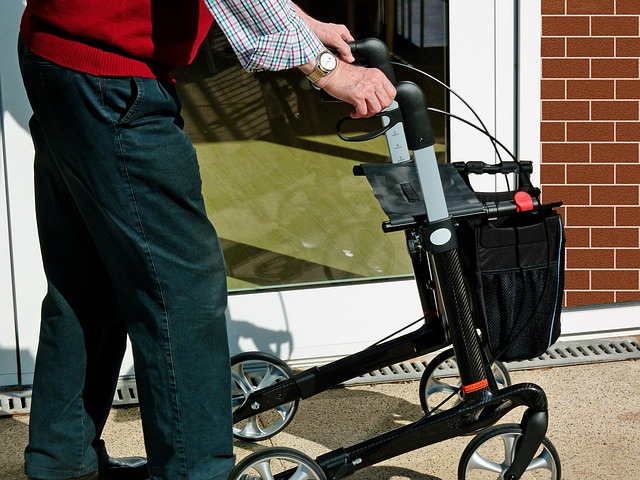
In later stages of dementia, the signs become more physical. The person may shuffle or drag their feet, lose strength and need a wheelchair or walker. They may require full help with dressing, eating and toileting. Facial expression can change (looks vacant or vacant stares). They might develop swallowing difficulties or stop recognising close family.
At this point, they are at high risk of infections (aspiration pneumonia, etc.) and often spend most of the day sleeping. Recognising these changes early allows you to involve professionals (GP, occupational therapist, social worker) for extra help and to consider whether long-term care is needed.


How Long Can a Person with Dementia Live at Home?
This varies widely. In the early stage of dementia, many people are able to live independently at home for several years, especially with appropriate support. With the right support, many people live independently for several years. During this time, adaptations to the home and taking advantage of community services can extend safe living at home.
As dementia progresses, especially beyond the moderate stage, continuing to live at home can become increasingly difficult. Once your loved one requires constant assistance or is unsafe (as noted above), family carers should consider a care home or nursing home as the next step.
Benefits of a Care Home for Someone Living with Dementia
Care homes often offer structured daily activities and social opportunities that benefit people living with dementia. In many care homes, trained staff lead group activities (art, music, games, light exercise) and one-on-one therapy to keep residents engaged and supported.
There are real benefits to moving into a care home when it’s needed. Residents receive professional care 24 hours a day and staff supervise them to ensure independence is encouraged.
Living with others means your loved one can participate in social activities and enjoy companionship, which can improve mood and reduce isolation. Other advantages include relief for family carers, instead of being the only caregiver, you can visit your loved one and spend quality time together without the burden of round-the-clock duties.
Many dementia care homes have special features, such as memory cafés, sensory rooms or adapted gardens, designed for people living with Alzheimer’s or related conditions.



How to Tell Someone with Dementia They Are Going to a Care Home
Discussing a care home move with a loved one is very sensitive. It helps to involve the person in conversation as much as possible. Gently raising the topic to see how they feel about it, speak calmly and positively and focus on their comfort and wishes
Always use simple, clear language. Speak slowly, at eye level and in short sentences and avoid talking down to them.
Frame the move in positive terms. Discuss the extra help and company they will have. For example, you could say:
At the care home, they will help you get dressed and cook meals, so you won’t need to worry about housework or cooking anymore”.
Highlight the positives, regular meals, activities, new friends and 24/7 care.
Make sure they feel heard. Try to plan visits to homes together and let them see the environment so it seems less unknown. Above all, reassure them that the goal is to keep them safe and cared for.
What to Do if a Person with Dementia Refuses a Care Home
It is very common for a person living with dementia to resist the idea of moving. Studies show that most older adults initially say they do not want to leave home, often, the refusal comes from fear or misunderstanding. They may worry about losing independence, feel sad about leaving familiar surroundings or distrust unfamiliar caregivers.
To combat this, continue with a gentle approach. Stay calm and positive. Address their specific fears, if they feel their home is all they have, acknowledge that feeling (“I know it’s hard leaving your home, you’ve lived there so long”) and then explain how the new home can have the same comforts and visitors they choose. If independence is the issue, emphasise that they will still make choices (when to get up, what to wear, who visits) even in the care home. Answer questions honestly but simply and do not argue if they become upset.
If, despite your best efforts, they firmly refuse and still have decision-making capacity, remember you legally cannot force them. However, if they genuinely lack capacity to decide (meaning they can’t understand or weigh the decision), then the move must be made in their best interests.
Typically, someone with a health and welfare Lasting Power of Attorney (LPA) or a deputy or close family member with legal authority can decide to move them to a care home on their behalf. Social services or doctors can also be consulted for advice if needed. The key is to do what’s safest and most caring for your loved one, even when it feels difficult.


Specialist Dementia Care Home in Somerset
At Immacolata House Care Home in Langport, close to Taunton, Somerset, we provide expert, 24/7 specialist dementia care in a safe and supportive setting designed for comfort, calm and connection. Every element of our approach, from our environment to our personalised care plans, is designed to support individuals living with dementia through every stage with dignity and respect.
For more information about Dementia Care in Somerset at Immacolata House, reach out to our team and arrange a home tour with our friendly and professional team.