
If someone you love has recently been diagnosed with dementia, you are probably asking yourself one question above all others: what happens now? It is a natural worry. You want them to be safe. You want them to still feel like themselves and you want to know that whatever comes next, they will be treated with patience, dignity and genuine understanding.
For many families across Somerset, that search eventually leads to the same phrase: specialist dementia care. But what does it actually involve, and how does it differ from the more general residential care you may already have looked into? This guide explains what specialist dementia care means in practice, the signs a loved one may benefit from it, and how the right environment can make a real difference to someone living with dementia.


What Is Specialist Dementia Care?
Specialist dementia care goes beyond help with washing, dressing and meals. It is a way of caring for someone that is built entirely around how dementia affects a person day to day, from memory and communication to mood, orientation and physical coordination.
In a specialist dementia care setting, every member of the team receives ongoing training in dementia specific care, not just general elder care. They learn how to communicate with someone who may struggle to find words, how to respond calmly to confusion or distress, and how to notice the early signs of pain or illness in a resident who cannot always describe how they feel.
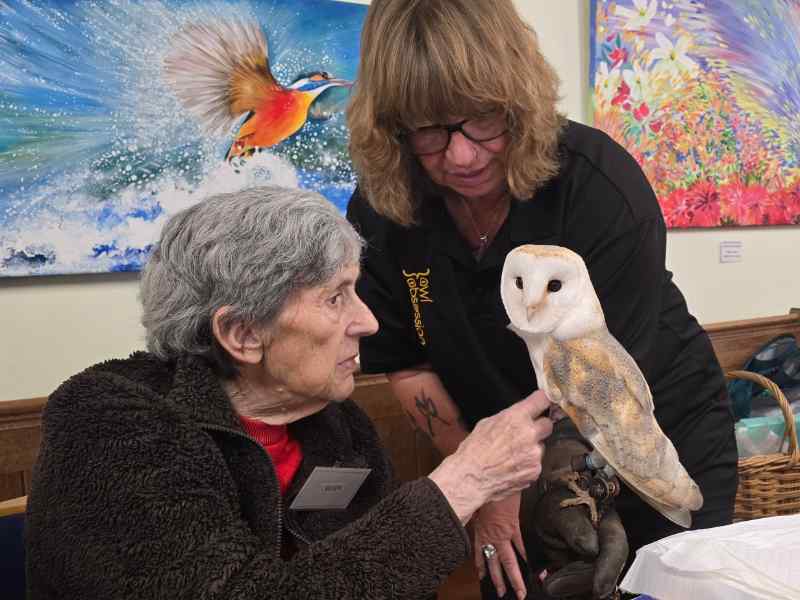
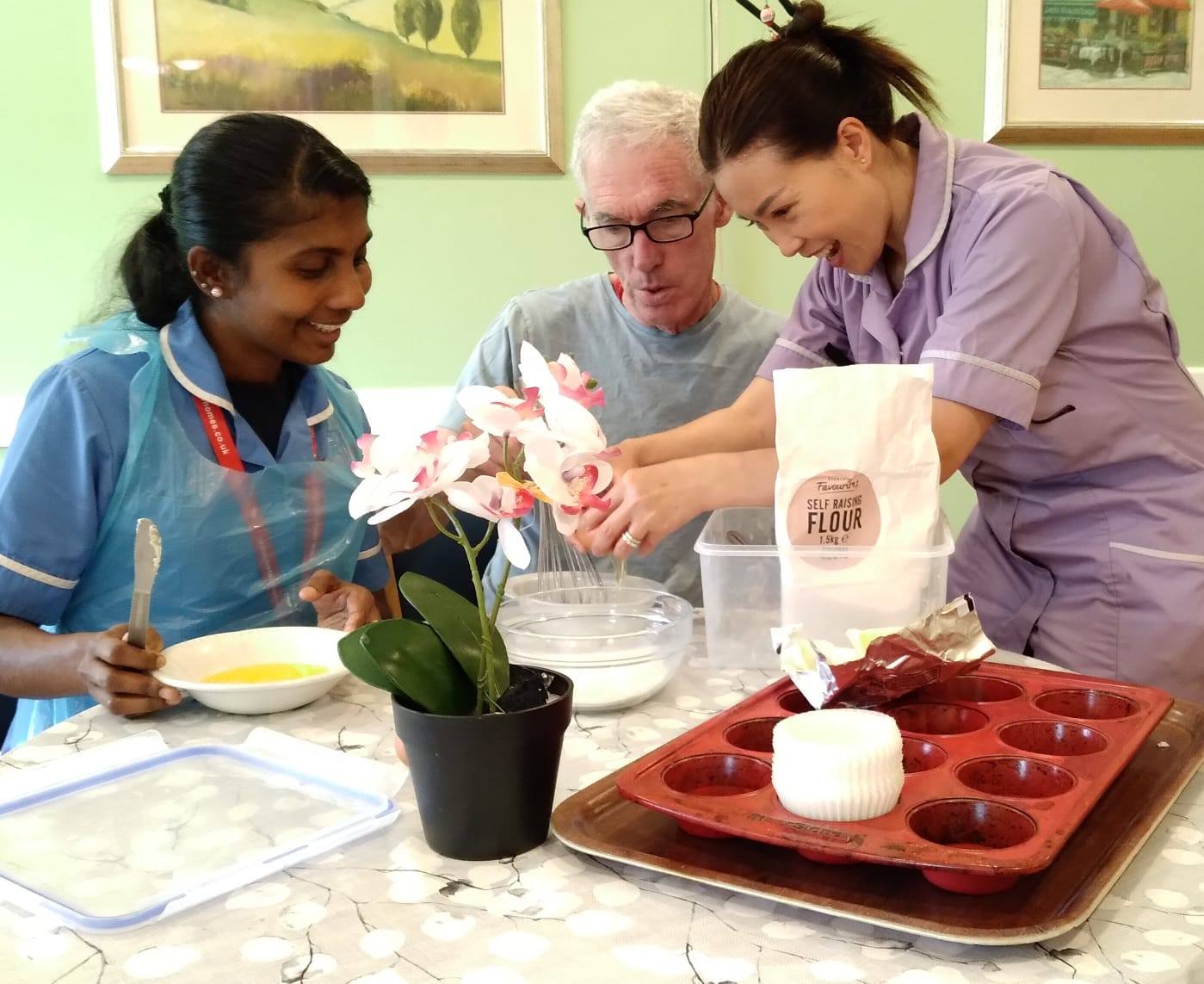
Just as importantly, specialist dementia care is person centred. Rather than fitting a resident around a fixed daily routine, the routine is built around them, their history, their preferences and the small things that bring them comfort. At Immacolata House in Langport, this begins with a conversation between our Home Manager, the family and the prospective resident, so that every care plan reflects a real person rather than a generic checklist.
How Does Specialist Dementia Care Differ From Residential Care?
Residential care is designed for older people who need support with daily living but do not require nursing or dementia specific input. Specialist dementia care sits on a different level entirely.
The environment itself is designed differently, with clear signage, calming colour schemes and layouts that reduce confusion rather than add to it. Staff are trained specifically in dementia care, not simply general care. And because dementia often progresses alongside other health needs, many families look for a home that can also provide nursing care under the same roof, so their loved one never has to move again as their needs change.
This is one of the reasons Immacolata House is a little different from many local care homes. As a specialist dementia and nursing home, residents can receive expert dementia support and clinical nursing care in the same familiar surroundings, from the same team who already know them well.
Signs a Loved One May Need Specialist Dementia Care
Choosing when someone with dementia should move into a care home is rarely a single moment. It is usually a gradual realisation, built from several smaller worries adding up. Families we speak with across South Somerset often mention:
- Increasing confusion about time, place or familiar faces
- Wandering, or leaving the house at unsafe times
- Forgetting to eat, drink or take medication correctly
- Leaving appliances such as the cooker or an iron switched on
- Noticeable changes in mood, including agitation, withdrawal or anxiety
- A carer at home who is exhausted, unwell or simply reaching their limit
None of these signs on its own means a move is essential, but together they often show that a loved one needs more consistent, specialist support than family or a home carer can safely provide alone. If several of these sound familiar, it may be worth exploring what specialist dementia care could offer, even before you feel ready to make a decision.


How a Dementia Friendly Environment Helps
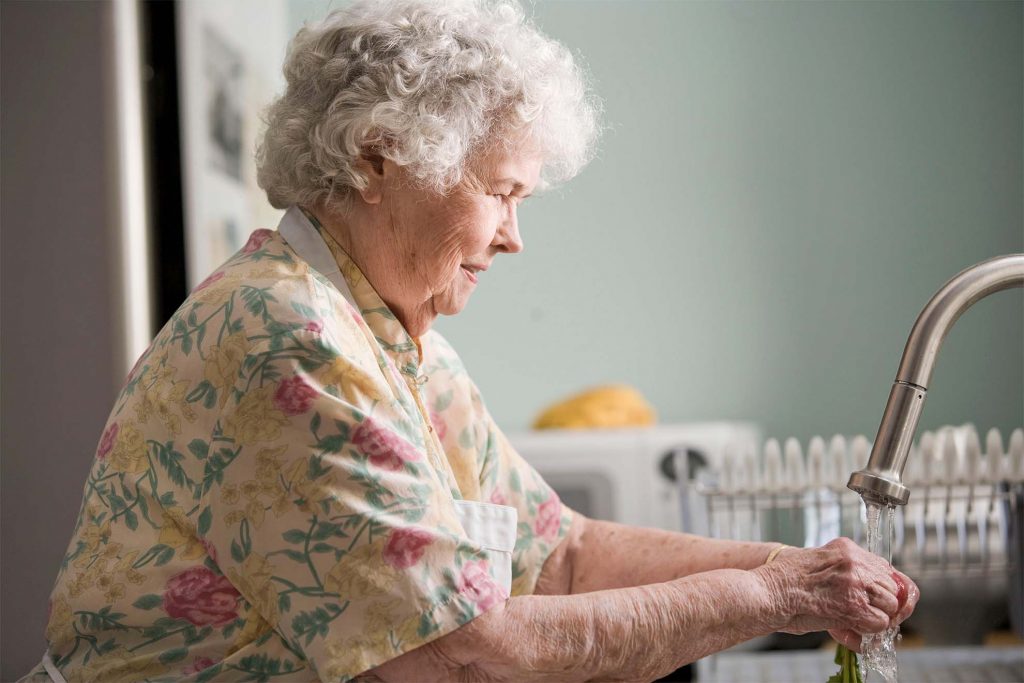
The physical environment matters enormously for someone living with dementia. A home that feels confusing, noisy or unfamiliar can increase distress. A home that feels calm, familiar and easy to navigate can genuinely improve someone's quality of life.
At Immacolata House, this thinking shapes everything from the layout to the smallest details. Our purpose built home in Langport is arranged into open plan households, each with its own lounge, dining room and kitchenette, so residents live within smaller, homely groups rather than one large, impersonal building. Acres of dementia friendly gardens give residents safe, secure space to walk, sit and enjoy fresh air, including a sensory garden designed to engage the senses gently.
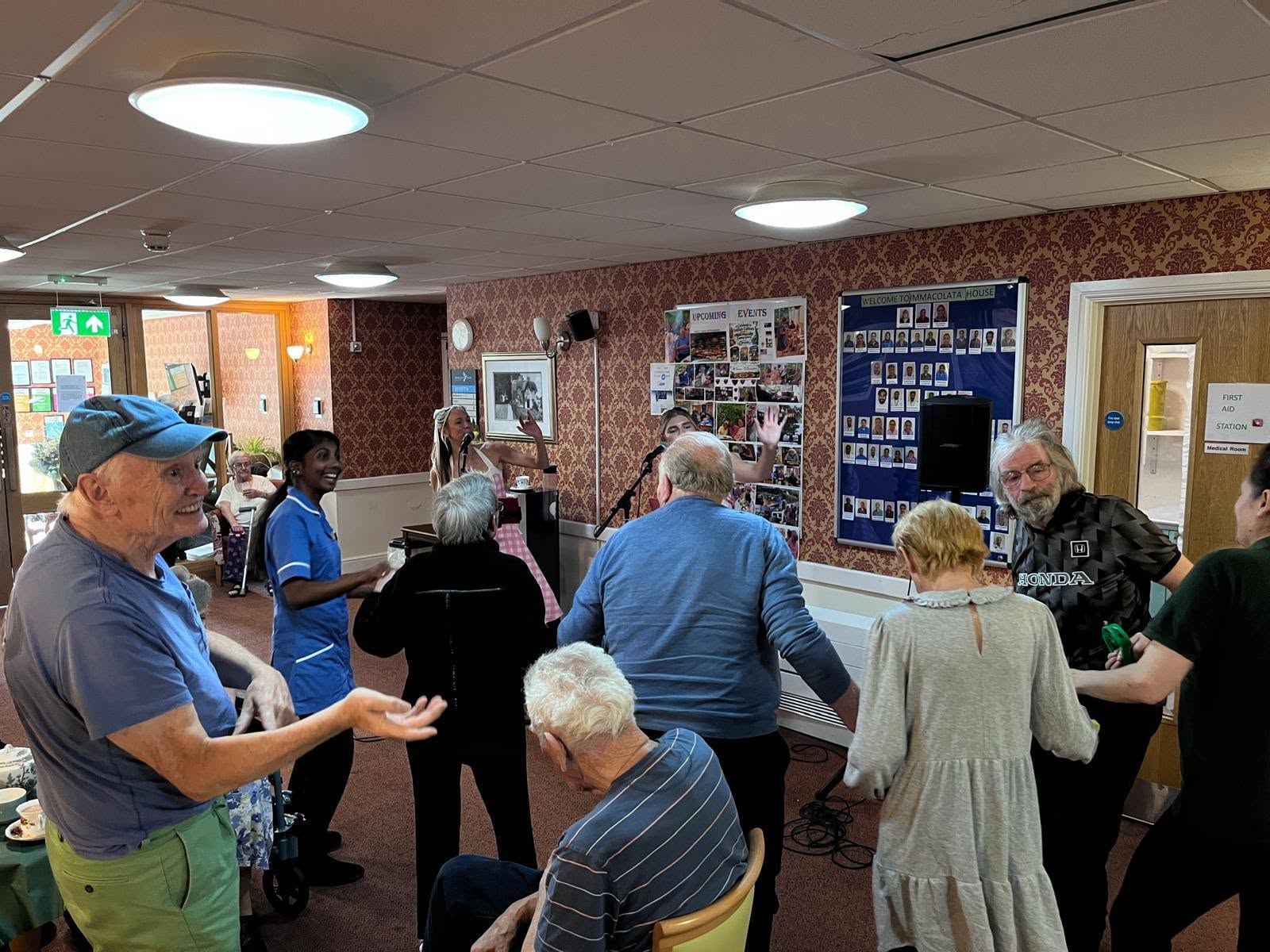
We also believe familiarity is a form of care in itself. The Maccy Arms, our in-house pub, gives residents a warm, recognisable space to relax and reminisce, much like a favourite local they may have visited for years.


Specialist Dementia Care at Immacolata House in Langport
Immacolata House is a 49 bed, purpose built care home on the Somerset Levels, offering Specialist Dementia Care alongside Nursing, Respite and Palliative Care. Every bedroom is private and en-suite, and the home holds a "Good" rating from the CQC, together with a 9.8 review score on carehome.co.uk from residents and families.
As a privately funded specialist home, we are able to focus entirely on personalised, one to one dementia care, rather than fitting residents around a fixed model. Families tell us this shows in the small things: a carer who remembers a resident's favourite song, staff who know exactly how someone likes their tea, and a home that genuinely feels lived in rather than clinical.
If your loved one's needs may still be changing, our Respite Care service offers a way to try specialist dementia support for a short stay, giving your whole family confidence before making a longer term decision.
Frequently Asked Questions
What is specialist dementia care?
Specialist dementia care is support delivered by staff trained specifically in dementia care, within an environment designed to reduce confusion and promote comfort, safety and familiarity for people living with dementia.
How is specialist dementia care different from residential care?
Residential care supports general daily living needs, while specialist dementia care is built around dementia specific staff training, environment design and, often, nursing support for changing health needs.
When should someone with dementia move into a care home?
There is rarely one single sign. Families usually reach this decision when safety concerns, carer exhaustion or noticeable changes in a loved one's wellbeing start to add up, rather than after one specific event.
What are the signs my loved one needs nursing care alongside dementia support?
Look out for declining mobility, complex medication needs, frequent falls or health conditions that need regular clinical monitoring alongside dementia related confusion.
Where is Immacolata House located?
Immacolata House is located in Langport on the Somerset Levels, welcoming families from across South Somerset, including Somerton, Martock and the wider Yeovil and Taunton area.
Come and See for Yourself
Reading about specialist dementia care is one thing. Walking through our households, meeting our team and seeing how residents spend their day is another entirely. We would love to welcome you and your family for a personal, unhurried tour of Immacolata House, with no obligation and plenty of time for your questions.
Book a Tour or Call our care experts. You're also very welcome to simply drop by to get a feel for our community and see what care home life is like with us.