
If you are searching for respite care, you probably need support for someone you love, and you may need it soon. That is a reasonable thing to need, and a short stay in a care home is designed for exactly this.
In short: Respite care is a temporary care home stay that gives the person you care for round-the-clock support while you rest, or while they recover. In Somerset, you can contact care homes directly, or call Somerset Council on 0300 123 2224 to ask about temporary emergency respite or a carer's assessment. GP care and medicines can continue through temporary registration. This guide covers each step with sources.
What Is Respite Care, and Who Is It For?
Respite care is short-term care, usually in a care home, that gives a carer a break or supports someone after illness or a hospital. The person staying has help with washing, dressing, meals, medication and company throughout the stay.
It suits several situations. A family carer may need rest, a holiday or time for their own appointments. Someone may need extra support after a hospital stay before returning home. A carer may be unwell or unavailable at short notice. Some families also use a stay to see whether a home suits their relative.
It is temporary by design. When it ends, most people return home, though some stays lead to a longer-term move.



Does Respite Care Help? What NICE, WHO and Cochrane Say
Carers value respite, and national guidance supports it. NICE's guideline on supporting adult carers recommends that practitioners regularly discuss the value of breaks with carers. It says breaks should suit the carer in duration, timing, frequency and type. WHO's evidence summary notes that people using respite services report high satisfaction.
Research is still developing. A Cochrane review of respite for people with dementia and their carers found too few, small trials to draw firm conclusions and called for better studies.
The practical lesson is to match the break to your needs. Pick a length and timing that let you genuinely switch off.
How Do You Arrange Respite Care in Somerset at Short Notice?
Start by phoning care homes directly. Explain the situation, ask whether they have a room on your dates and what type of care they can provide. Availability varies, so call more than one home.
Have key details ready: health conditions, a medication list, the GP's name, mobility and eating needs, and who to contact. The home will assess needs before or on arrival.
Somerset also has a council route. According to the Somerset NHS Foundation Trust's emergency planning page, if you cannot continue caring, for example because of a planned medical procedure, you can phone Somerset Direct on 0300 123 2224 and ask for temporary emergency respite. A Carers in Crisis service runs from 8:30 am to 6 pm, Monday to Friday. Check numbers before you call, as services change.
Who Can Help in Somerset? Carers Assessments and Local Support
Somerset Carers advises carers to register in three places. According to its guide, these are Somerset Council on 0300 123 2224 for a carer's assessment, your GP practice, and Somerset Carers itself on 0800 316 8600.
A carer's assessment looks at how caring affects your health, work and free time, and what could help, including breaks. You can have one alone or with the person you care for.
One local detail: North Somerset, around Weston-super-Mare, is a separate council with its own carers' process. If you are unsure which council covers you, ask the number above.
If you are caring for someone with dementia, our guide to specialist dementia care in Somerset explains what support looks like.

What Does a Short Stay in a Dementia-Friendly Care Home Include?
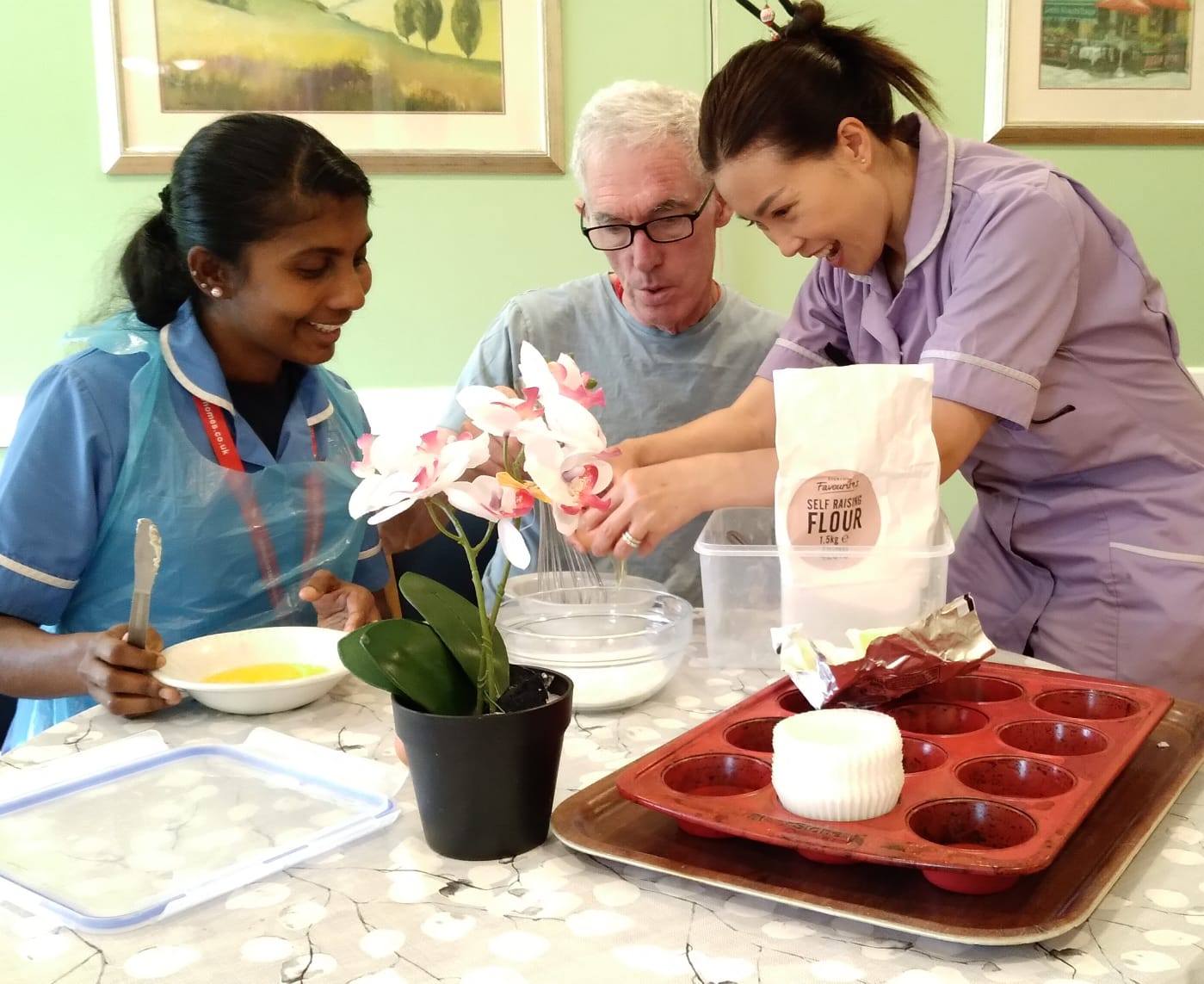
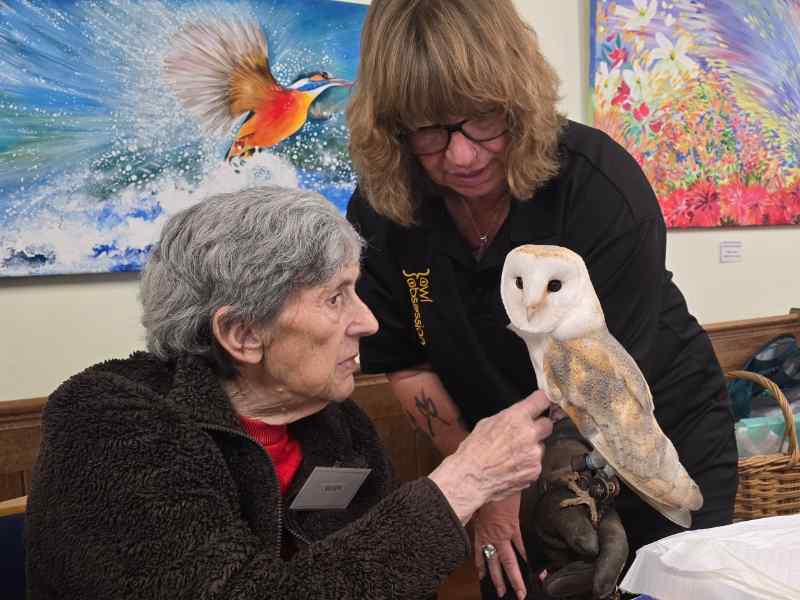
A short stay offers the same support as any resident receives. That means 24-hour care, nutritious meals, a private room, and the chance to join activities and social life. Staff can also notice small changes in health early.
Design helps people settle. The Alzheimer's Society's guide to choosing a care home suggests asking about routines, decoration and lighting. For someone with dementia, familiar objects, clear signage, and a predictable day reduce confusion.
You can help too. Visit beforehand if you can, bring photographs and favourite items, and share a short life story with favourite foods, music and what calms them. Agree on how often the home will update you, so you can rest without wondering.
What Happens to Medicines, GP Care and Appointments During a Stay?
Care continues with a little preparation. Someone staying away from home for more than 24 hours but under three months can usually register with a local GP as a temporary resident while staying registered with their usual GP. NHS Sussex's guidance for GP practices names people placed temporarily for respite care as eligible. Practices must also provide emergency treatment where needed.
Bring a current medication list and recent prescriptions. Ask how the home orders and gives medicines, and whether it needs them in the original packaging. Tell the team about hospital or clinic appointments so transport can be arranged.
Is Respite the Same as Recovery or Reablement Care?
No. Respite provides short-term care and gives carers a break. NHS and council recovery services are structured programmes. NICE's guideline on intermediate care including reablement describes them as time-limited, with a team promoting recovery and independence.
Bed-based intermediate care can take place in a residential or nursing home and, for most people, lasts up to six weeks. Age UK's factsheet explains how referral works.
If the goal is regaining independence after hospital, ask the GP, hospital team or social care whether intermediate care is appropriate. If you choose a respite stay, ask the home what recovery support it can offer.
What Should You Ask a Care Home Before Booking, and What Happens When the Stay Ends?
Go beyond "Do you have a room?" Ask who the person's main contact will be, how and how often you will be updated, and how medicines are handled. Ask whether nursing support is available if health changes, what happens if the stay needs extending, and what a typical day involves.
Check the latest inspection report on the Care Quality Commission website, and visit if you can.
When the stay ends, ask for a short written summary: how they ate and slept, how they moved, any falls, and any changes to medicines. Share it with the GP. If needs have grown, ask for a reassessment. Our guides to when someone with dementia should move into a care home and early signs a parent may need care can help.


Frequently Asked Questions
What is respite care?
A temporary stay in a care home that gives a carer a break or supports someone recovering after illness or a hospital stay.
How do I arrange respite care in Somerset quickly?
Phone care homes directly and ask Somerset Direct on 0300 123 2224 about temporary emergency respite. Have health and medication details ready.
Can someone register with a local GP during a respite stay?
Usually, yes. A stay of more than 24 hours but under three months can be covered by temporary registration, while the person stays registered with their usual GP.
Is respite care the same as reablement?
No. Respite gives a carer a break. Intermediate care and reablement are time-limited recovery programmes, usually up to six weeks.
Can a respite stay help me decide about longer-term care?
Yes. A short stay shows how someone settles and what support they need. Immacolata House describes stays of up to four weeks as a trial period.
How Does Respite Care Work at Immacolata House in Langport?
Immacolata House offers respite care for people who need extra support, recovery after a hospital stay, or to give a main carer a break, including following a hospital stay or emergency. The home says a stay can also act as a trial period of up to four weeks. Length depends on individual needs and bed availability, and residents receive the same services regardless of how long they stay.
The home has 49 private en-suite bedrooms with 24-hour nurse call systems, and each living space has its own dining room. It has been adapted to be dementia-friendly, with attention to lighting, signage, colour schemes and familiar objects. Residents can enjoy landscaped gardens, quiet reading rooms, a conservatory and The Maccy Arms. The home also provides specialist dementia care and nursing care.
If you need support for someone you love, please call the team at Immacolata House on 01458 254200. We are happy to listen, talk through what is possible and answer any questions whenever it suits you.